Category: Crochet Stitches

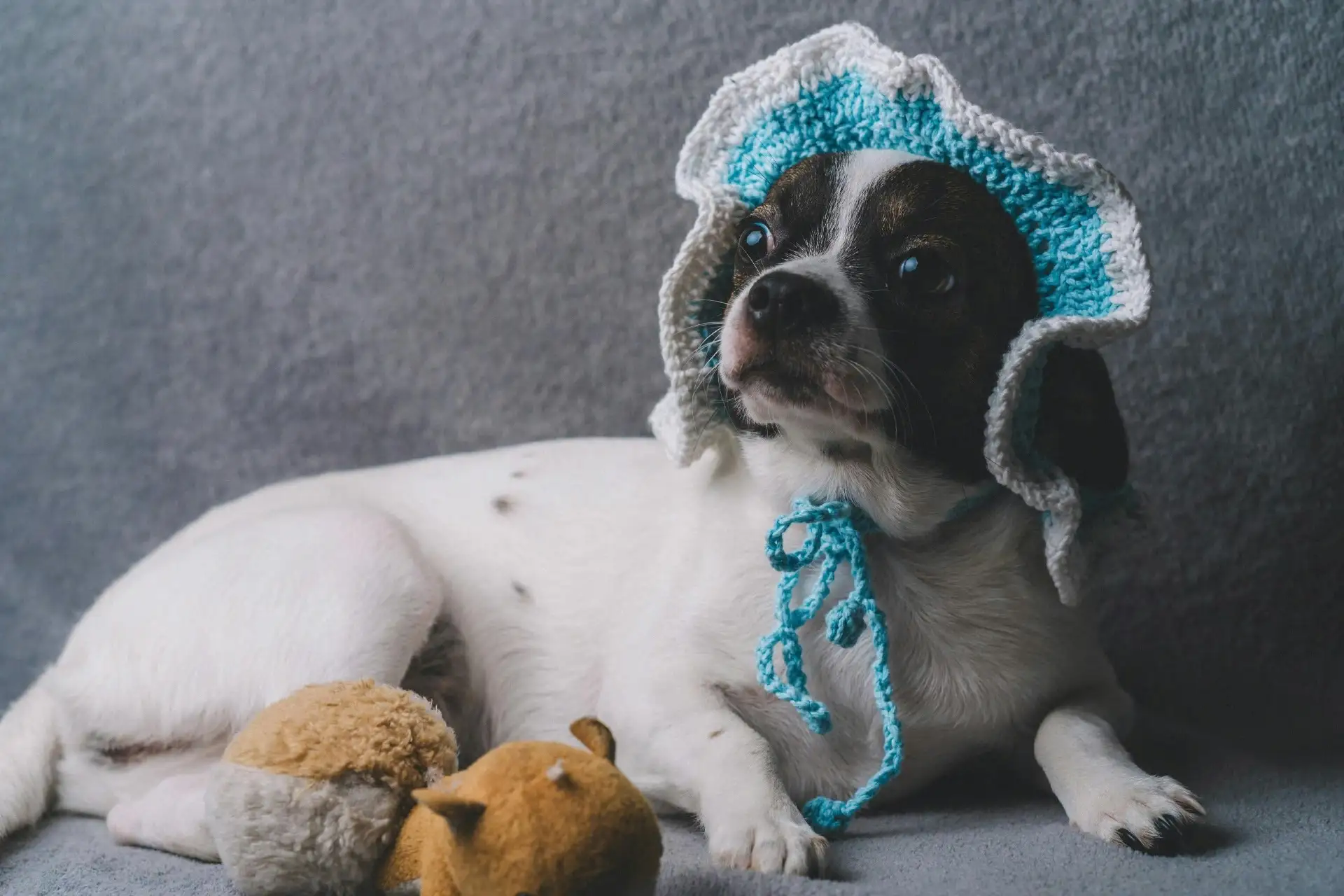
  • How to Crochet Hat for Dog

    How to Crochet Hat for Dog

    Crocheting is a very tranquil pastime, but it can also be an excellent process by which to make custom accessories. Considered a helpful guide on how to crochet a hat for a dog, it goes through each step of the process. Within this book, there are easy instructions to help you try out different ways of selecting yarn and working through patterns so that both a beginner and a craft-working person can enjoy it. Checking out crochet courses online will make you aware of the very tips and techniques that can hone your skills. Finally, you’ll be left with a unique, snug hat that makes your dog very happy: Let’s find out what goes into dog hat crochet and the funny ways it can be made.

    Why Crochet Hats for Dogs?

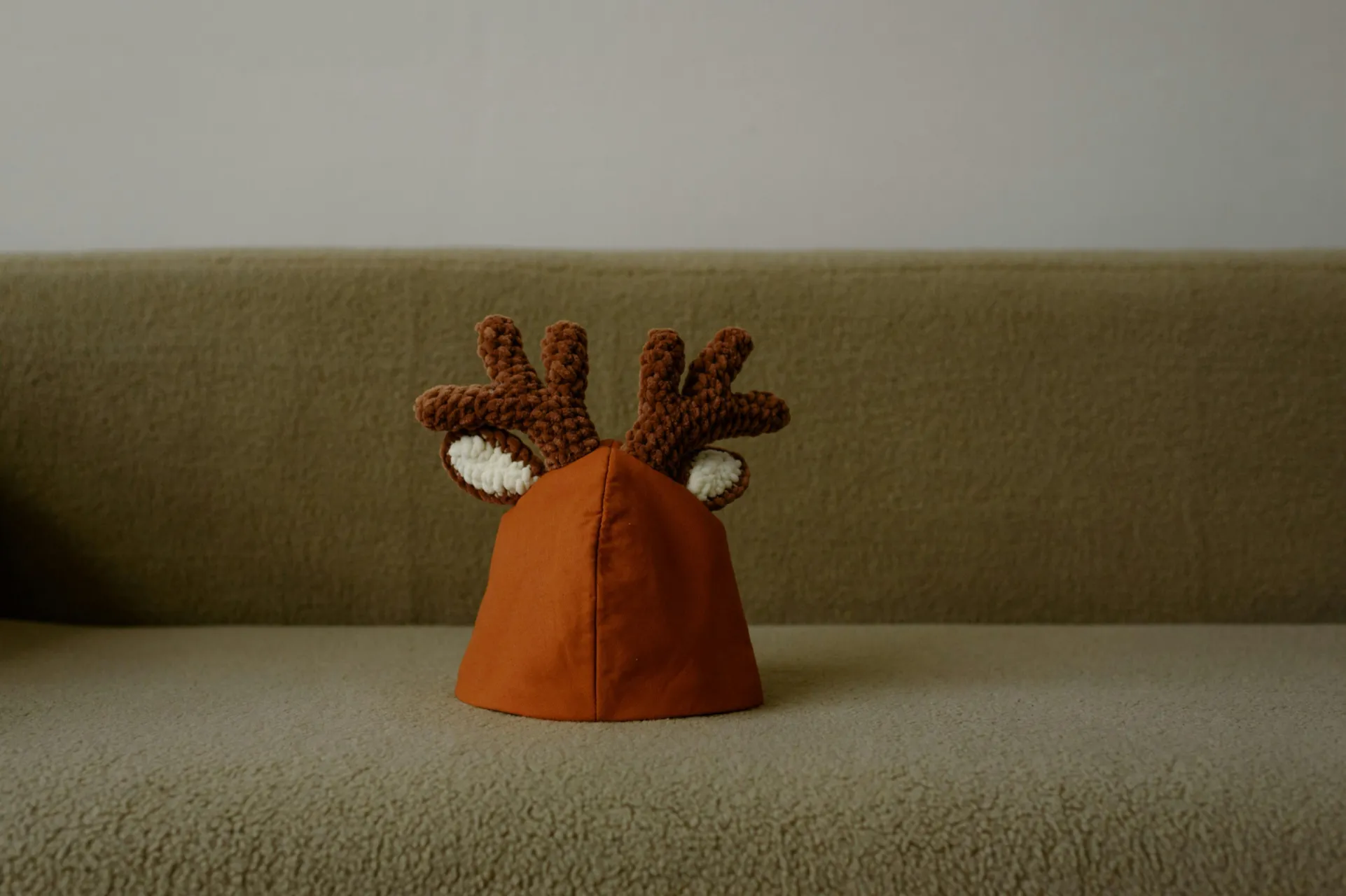
    Dog hats are not only adorable but also very practical. Learning to crochet a hat for a dog can open up possibilities of creating fashionable accessories protecting the pet from cold. It also becomes an avenue for expressing yourself while enjoying some quality bonding time with your furry pal.

    Custom-made items fit to her dog size and comfort are among the most favored products of a dog owner. Crochet offers endless possibilities for tweaking a pattern, trying out different stylings, and changing yarn textures. To put it another way, this could easily be the project for that beginner who wants to learn to crochet !

    Materials You’ll Need

     Make sure you have all the required supplies to crochet a dog hat…. When everything is laid out and ready, it is easier to approach the task happily. Essential materials include:

    • Yarn (medium-weight acrylic or cotton works best)
    • Crochet hook (size recommended for your yarn)
    • Scissors
    • Stitch markers
    • Measuring tape
    • Yarn needle

    As just a beginner, always select the tools that feel comfortable for your hand. Most of the time, the hook size is indicated on the yarn label. Having things prepared ensures a smoother worktime for you without interruptions.

    Choosing the Right Yarn and Hook Size

    The making of a dog hat depends on its materials such as the yarn. Medium-weight yarn is considered for dog hat-making since the product requires some durability and softness. Cotton and acrylic blends are easy to wash and resistant to pet disapproval. The aim is to find a hook with which one can smoothly glide through the stitches in the yarn. Larger hooks result in loose hats, while smaller hooks render a tighter finish. Medium-weight yarns with hooks of medium size are a good choice to efficiently learn crochet stitches by a beginner.

    Step-by-Step Guide: How to Crochet Hat for Dog

    Creating a dog hat can be fun and straightforward. Here’s how to get started:

    1. Measure your dog’s head for accurate sizing.
    2. Create a foundation chain that matches the head circumference.
    3. Work in rounds using basic stitches like single crochet.
    4. Shape the crown by gradually decreasing stitches.
    5. Add ear holes if needed, ensuring comfort.
    6. Finish with edging for a neat look.

    Therefore, these steps make the process of how to crochet a hat for a dog less intimidating. Once the basics are grasped, it is possible to progress to advanced designs and learn crochet patterns with ease.

    Basic Crochet Stitches to Know

    Before you begin, it’s important to understand the stitches required to crochet a hat for a dog. Here are the most common ones:

    • Chain (ch): Foundation of most crochet projects.
    • Single crochet (sc): Tight, sturdy stitch.
    • Double crochet (dc): A Taller stitch that works up quickly.
    • Slip stitch (sl st): Helps join rounds seamlessly.

    When building research skills, they’re good for practice. However, kids are the foundation of more complex patterns once they’re ready to learn crochet patterns in detail.

    Adding Fun Customizations

    The best part about how to crochet hat for dog is personalization. Once the base hat is complete, you can add embellishments:

    • Pom-poms on top for a playful style
    • Straps under the chin for secure fit
    • Decorative buttons (ensure pet safety)
    • Color stripes for added style

    This is what makes your project truly customized. Be it a cozy winter cap or a costume brimful of festivities, crocheting allows the ultimate freedom in creativity. It is also a whole lot of fun to continue practicing while you are learning the crochet stitches along the way in your experimentation.

    Common Mistakes Beginners Should Avoid

    When trying how to crochet hat for dog, beginners often face small challenges. Avoid these mistakes:

    • Using yarn that’s too thick or heavy
    • Skipping stitch counts, causing uneven shapes
    • Forgetting to measure your dog properly
    • Making hats too tight or too loose

    Aware of these pitfalls, which only enhance their creative ability by accepting them as part of their experience, greater improvement in an individual’s craft may be attained with every trial they make, especially with practice.

    Styling Your Dog’s Crochet Hat

    Styling is all the fun after a dog’s hat has finally been done. Try a dog hat that can be paired with a scarf or maybe even a sweater. Try seasonal colors like reds and greens for the holidays, and watercolors for spring. Crochet accessories make your pet warm while at the same time making every walk a fashion statement. This project should attract other pet owners interested in learning how to crochet, but if you are learning advanced crochet course, more intricate designs and techniques will allow your pet accessories to stand out.

    Care and Maintenance of Crochet Dog Hats

    If you want to prevent your hard work from coming undone, proper care must be given. How to crochet this dog hat? Should one always check the washing instructions on the yarn? Most yarns are acrylic or cotton and, in general, they can be machine-washed, while the delicate trims may need hand washing. Those who are taking beginner crochet course will do well to learn these care instructions early so that they have gorgeously made projects working for years.

    • Use a mild detergent
    • Wash on a gentle cycle or hand wash
    • Lay flat to dry to maintain shape

    Final Thoughts

    Now that you’ve learned to crochet a dog hat, you can produce one for your own furry friend. Using the appropriate yarn, hook, stitches, and procedure, accessories can be fashioned according to pet requirements, both in appearance and function. Spirits can use this as an opportunity to refine their technical skills with heartfelt creation. To elevate your crochet skills above intermediate status, take the Basic Crochet Pattern Design course and learn how to correctly and professionally organize your project while taking the Crochet Pattern Writing course to learn either how to write or help someone else write their own patterns in a clear fashion. Start your journey from dog hats before making larger items like scarves or blankets.

    Want more tutorials? Explore our guides to learning crochet for beginners and discover how fun it is to craft beautiful, handmade items for your loved ones, pets included!

    FAQs

    What size yarn works best for dog hats?

    Being a medium-weight yarn, it is best for dog hats as it provides softity and a touch of durability. Easier for an amateur to handle as it gives structure with a little flexibility so the animals stay comfortable.

    Are crochet dog hats beginner-friendly projects?

    Yes, this is a crochet dog hat, and consequently, it is a craft project for beginners. Easy stitches and small dimensions keep the channel approachable. Beginners can practice so many techniques that even though they are easy, these hats stand as fashionable and functional accessories for their furry friends.

    How long does it take to crochet a dog hat?

    This dog hat could take about 2 to 4 hours to complete, depending on size and stitch complexity. If you are a beginner, expect to take a bit longer with the process because it’s an enjoyable experience and very satisfying compared to bigger hats.
  • Crochet Headband Tutorial for Beginners

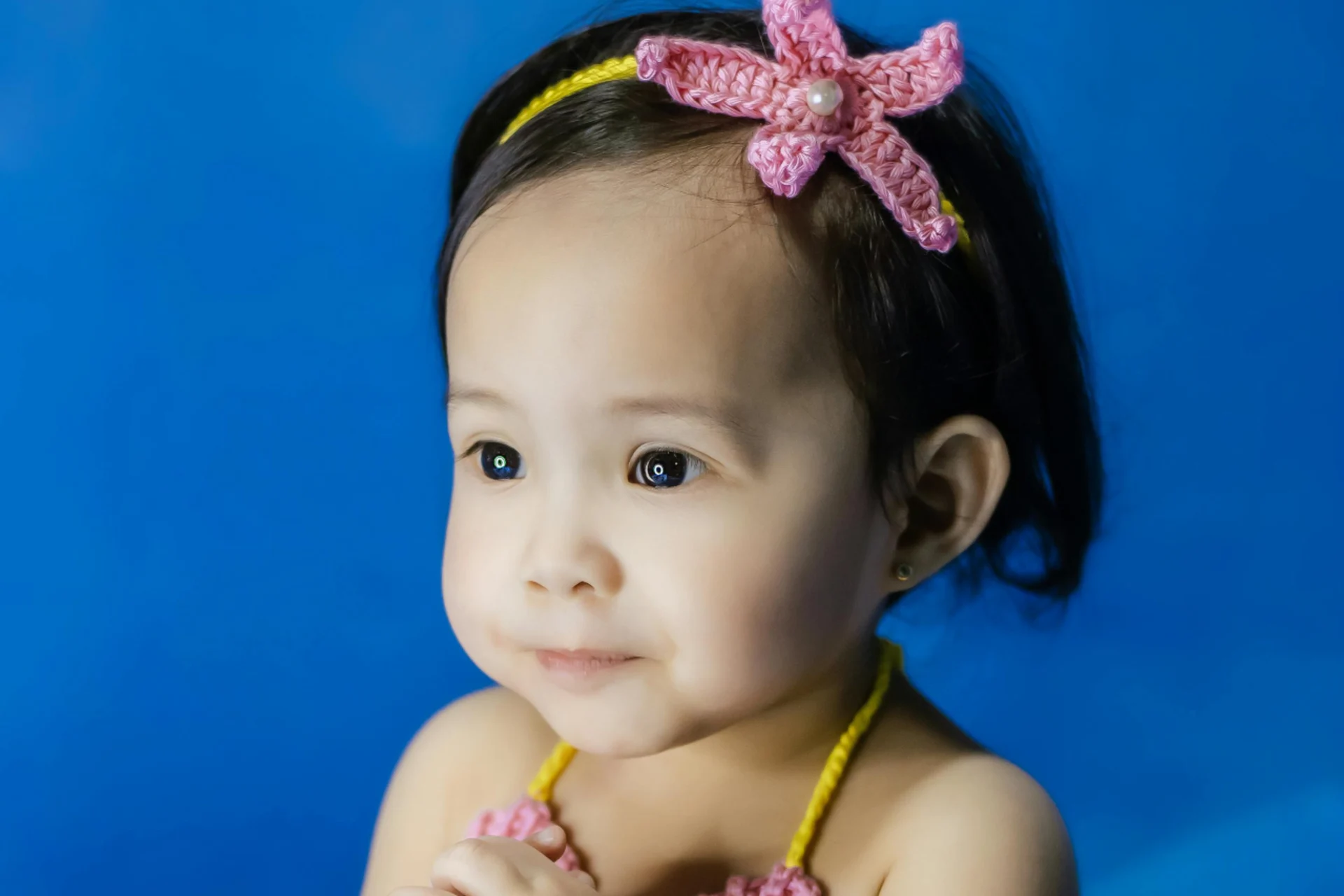
    Crochet Headband Tutorial for Beginners

    The variety of crafts that the art of crochet has to offer is quite wonderful. Headbands, for example, are among the easiest-to-make yet chic items. Whether it is for cold weather or simply a fashionable outfit, the beginner-friendly pattern for a crochet headband is your basic starting point. It shall cover materials, stitches, and all easy steps so that one can finish it all by confidence. Yarn, hook, patience; the result will be something useful and pretty. If this is the first time you are trying your hand at it, maybe some good crochet courses online would help to guide you along the way and build confidence as you accomplish these techniques.

    Why Start with a Crochet Headband?

    It is wise to start from a crochet headband tutorial for beginners. They are fast to create, useful, and rewarding. These are smaller projects that don’t require much yarn and time, unlike creating things like blankets or sweaters, so they’re great for beginners to try out. You will get to learn beginner-level skills such as measuring, tension, and finishing, all of which will make you a solid foundation in crochet. Besides that, a headband is a nice little gift for a friend-made-of-love. If you  learn to crochet, this small though useful project will provide self-confidence to take on bigger projects in the future.

    Materials You’ll Need for Your Headband

    All beginner crochet headband tutorials start with picking materials. With proper choices, the whole experience becomes more comfortable and fun. Here’s what you’ll need:

    • Yarn: Medium-weight acrylic or cotton yarn works best.
    • Crochet Hook: Size H/5mm is ideal for beginners.
    • Scissors: For trimming ends neatly.
    • Measuring Tape: To ensure the right fit.
    • Yarn Needle: For weaving in loose ends.

    Having these basics will start the project with no interruptions. Picking the right yarn and tools is part of a learning to crochet for beginners course, for they help with neat stitches and an outstanding finish.

    Basic Stitches You’ll Use

    The tutorial for beginners is quite specific, mostly with a look at the simplicity of the crocheting technique. These include:

    • Chain Stitch (ch): The starting point for most crochet pieces.
    • Single Crochet (sc): A tight, sturdy stitch that creates a firm fabric.
    • Half Double Crochet (hdc): Slightly taller than single crochet, offering flexibility and texture.

    Mastering these stitches would help you finish the headband and larger projects when you learn crochet stitches. Doing these stitches over and over again would build muscle memory, which will make crocheting a lot easier.

    Step 1: Starting Your Foundation Chain

    Creating the foundation chain marks the first step of any basic crochet headband tutorial. Measure the head your are going to be crocheting the headband for and chain enough stitches to fit that length. Keep in mind that crochet stretches, therefore keeping your chain slightly shorter will make the fit nice and tight. Maintain an even tension in your hands while making the chains. A nicely created chain sets the whole tone of your piece, so never cut corners. In advanced crochet course, you may even be taught to finish a chain so neat and professional-looking that it would guarantee the look of a beautifully made product.

    Step 2: Working the First Row

    Once the chain is ready, work into every stitch the first row of single crochets. This step in the beginner’s crochet headband tutorial is the base of the fabric. Avoid letting that chain twist and try to maintain an even tension while working it. The first row is usually challenging for those enrolled in a beginner crochet course, but patience is the key here. After this step, all the other rows should seem easy. This step teaches that accuracy is vital for anyone who really wants to learn crochet patterns.

    Step 3: Building Rows for the Band

    Continue to crochet rows, using single crochet or half double crochet stitches, depending on the texture you wish to achieve. You will want to make it about 3-5 inches thick in this beginner crochet headband tutorial, but you do have room for some personal adjustment. Keep counting your stitches as you go along to avoid accidental increments or decrements that may change the shape. Consistency counts here, and your stitches must look alike throughout the band. Now go with the rows and watch your confidence grow. While practicing these rows in a crochet pattern design course, you are also gaining experience in laying out and writing stitch pattern instructions clearly for your own designs.

    Step 4: Joining the Ends

    After your band has stretched to the desired length, it will be time to bring both ends together. In this beginner crochet headband tutorial, the two ends can be joined by sewing with a yarn needle or slip-stitching for a sleek finish. But do ensure that the joining is very strong, while also keeping it inconspicuous. The neatness of your joining will also go a long way toward making your headband look perhaps even professional and very elegant. In this stage, you will find yourself introduced into the basics of finishing techniques, which flow into more advanced learn crochet patterns.

    Adding Decorative Touches

    Enhancing crochet headband tutorial for beginners using crochet edge tape will certainly give the item a wicked-awesome vibe.Some creative options include:

    • Adding a bow at the seam for a feminine touch.
    • Crocheting a flower applique and attaching it.
    • Using contrasting yarn to add stripes.
    • Incorporating textured stitches for variety.

    These embellishments would let you customize your headband and express your own artistic creativity. Of course, exploration of decorating options serves as a motivational tool while you have fun learning various crochet stitches and building your skill level.

    Common Mistakes and How to Avoid Them

    Like all artists or artisans, a beginner will be prone to errors. Common beginner mistakes with crochet headbands include uneven tension, foundation chains being accidentally twisted, and losing track of stitch counts. To avoid making these mistakes, always double-check that your chain is not twisted before you proceed to the rows. You can also then mark your stitches with or without stitch markers and practice holding the yarn the same way every time. Never be discouraged-a crocheter starts right there. A mistake is a chance to get better, especially when you are in the beginner stage of crochet. In a crochet pattern writing course, keeping track of these tips and common mistakes will ultimately help you write clear and simple instructions for others.

    Final Thoughts on Crochet Headbands

    Making this crochet headband for a beginner is more of a stepping stone on the path toward learning to crochet. You learn basic things to do, such as measuring, stitch control, and finishing, all while getting something wearable to be proud of. A lot more shine will be added to your handiwork with practice. So, do not stop there and continue exploring other designs, stitches, and projects. Whether you want to tackle more challenging items or just more proud of the time you create cool things, every headband and every step counts as an important part of your chevron pathway.

    Are you ready to start your crochet adventure? How about this beginner’s crochet headband to find out how fun and rewarding crochet is? 

    FAQs

    What is the easiest crochet headband style for beginners?

    The simplest headband for a beginner is a very simple flat band using single crochet stitches. One can make it fast, strong, and easy. Working on this one helps a beginner develop consistency in the single crochet stitch while giving them the pleasure of creating a nice, usable accessory with very little effort.

    How long does it take to make a crochet headband?

    Usually making a crochet headband takes one to two hours; of course, this depends on the experience and speed of the craftsman. The beginners will initially take a longer time, but with the enhancement of their skills, they will be able to do the projects faster, still making neat, durable, and stylish headbands.

    Can I use any type of yarn for a crochet headband?

    You can place almost any yarn in a headband project. Although medium-weight cotton or acrylic yarn seems to be the best choice. These fibers yield durability with which they stretch and nude for comfort, perfect for beginners. They offer excellent stitch definition that allows your crochet headband to look worn neatly and professionally.

  • How to Crochet Hat Brim

    How to Crochet Hat Brim

    There will certainly be a sense of satisfaction crocheting a hat and mostly the brim offers structure and style. Learning to crochet hat brim changes the usually boring knit beanie into a stylish piece, valuable to own. From floppiness to stigma to ribbed and rolled, the brim allows for creative expression within the project. This tutorial addresses techniques, stitches, and tips any amateur should follow with ease. From the yarn used to edge shaping, you’ll be introduced to the art of crocheting a brim confidently. For that crisp and professional look, you might want to indulge in crochet courses online. Let’s walk through crocheting step-by-step.

    Why the Hat Brim Matters

    If you learn how to make a crochet hat, you will ell in a hurry to find out that much of the brim is functional, not just aesthetic. It allows the hat to fit snugly: prevent stretching, and contribute to the finishing touch of style. Therefore, after learning how to crochet hat brims, you could then make all varieties of seasonal hats, meaning wide brims for summer or knit brims for winter. The creativity of brims is great; they can be created in rounds, ribbing, or sewn folds. Brim making gives shaping and consistency to beginner training. A perfectly shaped brim goes a long way to making a plain hat really useful as an accessory.

    Choosing the Right Yarn and Hook

    The correct yarn selection becomes paramount while learning to crochet a hat brim. Feel, stiffness, and flexibility all depend on the yarn used for the brim. For a cotton yarn usually needs to be applied with sunhats, whereas for winter brims you could give a try to wool or acrylic yarn. The hook must also be accurately paired with the yarn- too small dredges a stiff brim, while bigger means a droopy one. Practice with m. weight yarn first to get a good grip on crochet stitches. It is also good to keep a measuring tape handy to keep dimensions right. Proper tools ease in crocheting brims for beginners; advanced crochet course may try thinner yarns and intricate stitch patterns for style.

    Types of Crochet Hat Brims

    When understanding how to crochet hat brim, you’ll find several styles to try:

    • Rolled Brim – Created by letting the edge curl naturally.
    • Ribbed Brim – Made with front and back post stitches for elasticity.
    • Folded Brim – A double-thick brim that adds warmth.
    • Flat Brim – Stiffened for wide sunhats.

    This kind changes the function of a hat and sometimes its look too. For example, ribbed is good for beanies, whereas flat would be perfect for a summer style. As you learn crochet patterns, experimenting with different brim types will increase your creative abilities, besides giving you the ability to make diverse hats.

    Step-by-Step: How to Crochet Hat Brim

    To practice how to crochet hat brim, follow these simple steps:

    1. Start your hat – Crochet the body of your hat first.
    2. Measure head size – Ensure the circumference fits comfortably.
    3. Choose your brim style – Ribbed, rolled, folded, or flat.
    4. Work in rounds – Add rows to extend the brim to your desired length.
    5. Shape it properly – Use increases for wide brims or keep even stitches for snug fits.

    This process makes the brim approachable even when learning crochet for beginners. Repetition builds consistency, and soon you’ll have hats that fit beautifully.

    Best Crochet Stitches for Brims

    When focusing on how to crochet hat brim, some stitches provide better elasticity and structure:

    • Single Crochet (sc) – Dense, tight, and great for durability.
    • Half Double Crochet (hdc) – Offers stretch and flexibility.
    • Front Post & Back Post Double Crochet (fpdc/bpdc) – Essential for ribbed brims.
    • Slip Stitches – Perfect for finishing clean edges.

    As you learn crochet stitches, practice switching between these techniques. Ribbing, for example, gives a professional look and ensures the brim hugs the head. Experimentation is key to finding your favorite style.

    Shaping and Adjusting Hat Brims

    Brims, depending on use, could be shaped in various ways: with increased stitches for wide sun-hat brims, or flat for fitting beanie brims without stitch variation. While learning to crochet a hat-brim, keep an eye out for the shape and comfort of the wearer. If you find the brim tightly fit, work loosely with your tension or increase stitches. For a loose brim, go cotton yarn with loose stitches. These little bits of adjustment will follow you through the beginner crochet course and whenever you are learning patterns, helping you to make fashionable yet comfortable hats.

    Common Mistakes to Avoid

    When mastering how to crochet hat brim, beginners often face these issues:

    • Making the brim too tight, causing discomfort.
    • Forgetting to measure, leading to sizing problems.
    • Using the wrong yarn weight for the desired effect.
    • Skipping stitch markers which causes uneven brims.

    If you’re learning crochet for beginners, remember that patience matters. Each brim you make improves your skills. By tracking mistakes, you’ll develop accuracy and confidence faster.

    Tips for Beginners to Get Perfect Brims

    If you’re new to how to crochet hat brim, here are helpful tips:

    • Use stitch markers to keep track of rounds.
    • Try ribbing for elasticity it’s beginner-friendly.
    • Always measure the circumference before finishing.
    • Block your hat if the brim curls too much.

    As you learn crochet patterns, practicing small projects first makes bigger hats easier. The brim is simply another round of stitches, confidence grows with each attempt.

    Styling Your Crochet Hats with Brims

    A brim is more than a functional piece; it’s also stylish. When understanding how to crochet hat brim, you’ll realize you can personalize each design. Add color stripes, decorative edges, or even embellishments like buttons and bows. A ribbed brim works great for sporty looks, while flat brims suit summer elegance. By combining techniques you gain as you learn to crochet or through a crochet pattern design course, you can create hats that are as unique as their wearers. Crochet is about creativity, and styling the brim is where your personality shines.

    Conclusion: Start Crocheting Your Perfect Brim Today

    Now that you have the complete information to make the brim of a hat, it should be put into use. If the brim were then all about yarn choice and stitch selection, it would be all about making the hats functional and stylish. So, from a ribbed, flat, or folded type of brim, consistency along with creativity needs to go hand in hand. If you are taking a course in crochet pattern writing course, this is your good opportunity to proceed with practicing how to describe your technique so that your designs are easily followed by others.

    Ready to start? Grab your yarn, hook, and pattern, and begin exploring brims today. If you’re still learning crochet for beginners, this project is perfect for building skills while creating something beautiful. Let every stitch bring you closer to becoming a confident crocheter!

    FAQs

    Is it hard to crochet a hat brim?

    Well, that depends on how you view it. Learning to crochet the brim of a hat is an easy thing to do and very beginner-friendly. Simple stitches, some patience, and a lot of repetition are all a beginner really needs to get their brims fitting well and giving neat, professional finishing touches to their hats. 

    How long does it take to crochet a hat brim?

    This kind of brim usually takes about 1 to 2 hours. For beginners who are learning to crochet a hat brim, the time varies, depending on the thickness of yarn, the style of stitches, and the chosen length; steady practice makes the process go smoother and faster.

    What’s the best stitch for a hat brim?

    Front post and back post double crochet stitches are the stitches to use if doing a hat brim. They give a ribbed texture that is very stretchy, durable, and great-looking-the stretchability making the hat comfortable enough for a person, whereas the durability will help retain the form of the hood over time.

  • How to Make a Newborn Crochet Hat?

    How to Make a Newborn Crochet Hat?

    Any time a baby is being welcomed, it is truly a high-touch moment. Handmade pieces for babies just add to that feeling of warmth. If ever there is a brainstorming session to be had or a little crayoning needed for creating the newborn hat, this tutorial will walk you step by step through the whole process. The newborn hat is good and fast, and certainly rewarding-from a complete beginner to an advanced level in crochet. A few hats come handy to decorate and help in keeping the memory of the parents alive. 

    This blog, hence, will cover absolutely everything on making crochet newborn hats-yarn, stitches, patterns, and finishing. So, let’s jump right in!

    Why Make a Newborn Crochet Hat?

    Learn to crochet hat is a perfect way to combine creativity and care. Unlike larger projects, a baby hat requires less yarn and time to make-it’s perfect for a quick gift! Newborn crochet hats are treasured items because they are soft, handmade, and uniquely styled. Suppose you are just beginning your journey and trying to learn crochet for beginners or plan to take some crochet courses online; this is an excellent start for you. You will learn core skills and have fun doing it. Plus, handmade hats are superb for baby showers, charity donations, or keepsakes. There’s a thought behind each stitch that adds value to the present over anything money can buy.

    Materials Needed to Make a Newborn Crochet Hat

    To start your journey in how to make a newborn crochet hat, you’ll need a few essential supplies. Luckily, the list is short and inexpensive:

    • Yarn: Soft cotton or baby-friendly acrylic is best.
    • Crochet hook: Usually size 4mm–5mm works well for newborns.
    • Scissors: For trimming yarn ends.
    • Tapestry needle: To weave in loose ends neatly.
    • Stitch markers (optional): Help track your rounds.

    When you learn crochet stitches, you’ll realize that tools are simple, yet they create endless possibilities. For a beginner, these materials are easy to manage and allow you to focus on practice without overwhelming complexity.

    Choosing the Right Yarn for a Newborn Hat

    The choice of yarn is perhaps most critical when being made into a newborn hat: safe and soft. Being the delicate kind of skin that a newborn has, any damaging fibers shall be avoided at all costs. These kind of yarns are quite popular since they are soft, lightweight, and most importantly, easy to wash. When you start learning crochet patterns or go for advanced crochet course, you might have seen the pattern actually mention the weight of the yarn. Usually, DK or worsted-weight is preferred for newborn hats. Then, the lighter ones would be breathable hats for warm climates, while the heavier ones form the cozy winter edition. Always pick hypoallergenic yarns meant for babies.

    Basic Crochet Stitches You Need

    Before jumping into how to make a newborn crochet hat, it’s important to get familiar with a few stitches. Hats are typically built with simple stitches that even beginners can master.

    • Chain stitch (ch) – forms the foundation of your work.
    • Single crochet (sc) – creates tight, durable fabric.
    • Double crochet (dc) – adds height and flexibility.
    • Slip stitch (sl st) – connects rounds seamlessly.

    If you’re still learning, use resources that help you learn crochet stitches step by step. Practicing these stitches ensures your newborn hat is both neat and comfortable.

    Step-by-Step: How to Make a Newborn Crochet Hat

    The easiest way to start a hat is by working in the round. Follow this step-by-step guide for a basic beanie-style newborn hat:

    1. Make a magic ring or chain 3 and join to form a loop.
    2. Round 1: 6–8 single crochets into the loop.
    3. Round 2: Increase in each stitch around.
    4. Round 3–5: Continue increases until the crown measures about 4 inches.
    5. Rounds 6–10: Work even stitches (no increases) for length.
    6. Final round: Slip stitch around to finish.

    Adding Style to Your Newborn Hat

    Knowing how to make a newborn crochet hat doesn’t stop at basics, you can add creative flair. Some popular styles include:

    • Earflap hats with ties for extra warmth.
    • Beanie hats with stripes or textured stitches.
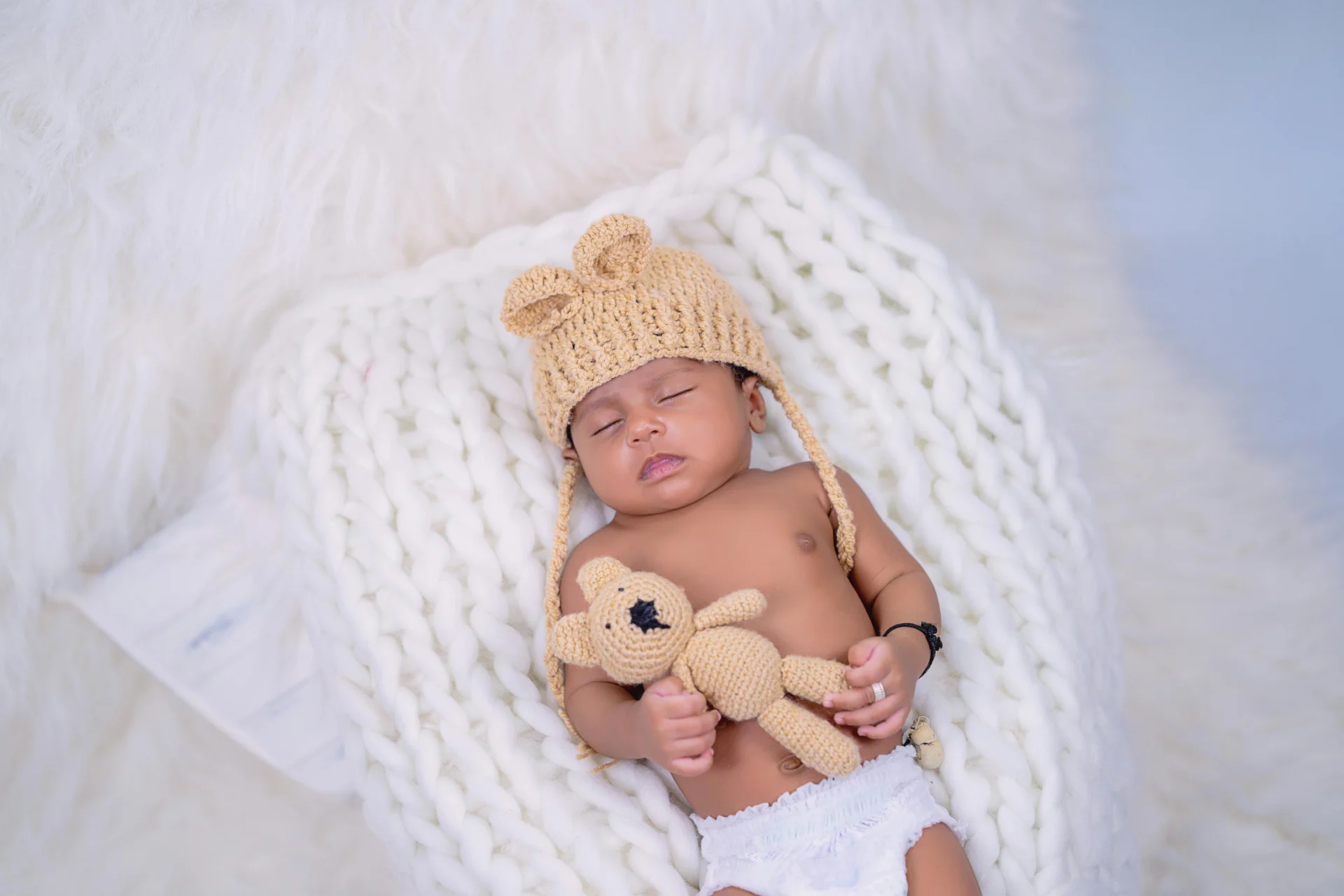
    • Animal-inspired hats with ears or embellishments.
    • Flower or bow appliqués for a cute finish.

    When you learn crochet patterns, you’ll find endless inspiration to customize your work. Adding embellishments ensures each newborn hat feels one-of-a-kind and full of personality.

    Common Mistakes Beginners Make

    If you’re still learning crochet for beginners, mistakes are normal. Here are a few common issues while figuring out how to make a newborn crochet hat:

    • Miscounting stitches, leading to uneven shaping.
    • Using the wrong hook size for your yarn.
    • Forgetting to measure the crown diameter.
    • Tight tension, making the hat stiff.

    The good news is, practice solves most of these. Always check your work as you go, and don’t be afraid to unravel and retry. Mistakes are stepping stones in learning.

    Care Tips for Newborn Crochet Hats

    Once the process of acquiring the skill of making a newborn hat through crochet is complete, proper care will indeed provide for a longer lifetime. Being sensitive, it is suggested to wash hats using mild detergent in cold water. This is generally by hand, but machine washing in delicates should be tolerate-able with most baby yarns. Drying flat maintains the hat shape. Avoid high heat, for if allowed, it causes yarn to stretch or pill. For those working through a beginner crochet course or venturing into a crochet pattern writing course, these care instructions are as important as the stitches. Not only does it beautify the hat, but it also makes it useful for the parents.

    Final Thoughts

    Newborn crochet hat project is a cute and fun way to learn for any crafter. These gifts become truly meaningful and precious keepsakes if good yarn and basic stitches are used and practiced thoroughly. This way, the aspect of craft is given precedence in terms of creativity and love. Should you want to go beyond working only on hats, then go ahead and hunt for materials teaching you the craft, the stitches, and perhaps even reading patterns, or a crochet pattern design course to enhance your creative expressions in a more concrete way.

    FAQs

    Is it hard to crochet a newborn hat?

    Crocheting hats for newborns is unsuitable for beginners. Newborn hats are smaller in size, simple stitches, and pretty fast to make. Great for practicing because of the few complications and satisfaction that comes with gifting something made with one’s own hands.

    How long does it take to make a newborn crochet hat?

    A basic beanie with the newborn crochet hat takes two to four hours. Beginners get faster as they practice more. More fancy stuff, like flowers or textured stitches, could lengthen your project time but definitely make it more fun and rewarding.

    What size should a newborn crochet hat be?

    When the newborn is being manufactured with the crochet hat, standard sizing must be observed: 12 to 13 inches in circumference and about 5 to 6 inches in height. This will fit snugly but comfortably enough to keep little ones warm while looking cute in any handmade creations.

  • How to Make a Crochet Hat?

    How to Make a Crochet Hat?

    Such crochet hats are timeless accessories: practical, stylish, and customizable. But many beginners wonder how to crochet an actual hat that somehow “looks neat” and fits the way one wants it to fit. The good news is that all this comfort can be made at home, with advanced crochet course. In this complete guide, we present everything from material choice, all the way to crown shaping and finishing. Consider yourself working on your own crochet hat that is trendy yet practical, no matter how long you have been crafting or whether you are a beginner.

    Why Crochet Hats Are a Perfect Beginner Project

    Hats are quick and rewarding projects, without the endless hours required by many others. So, crochet hats were often among first projects for beginners to try. With crochet courses online, you could even make a simple beanie in just a couple of evenings. Crochet hats are a neat space for all kinds of color, texture, and pattern combinations. If you are just teaching yourself to crochet or maybe taking some online crochet classes, hats are a nice medium between challenge and fun design.” Also, hats are much-needed gifts, something warm for winter, or light for summer styling.

    Materials You Need to Make a Crochet Hat

    Before diving into how to make a crochet hat, gather these essentials:

    • Yarn – Acrylic or wool blends are great for beginners.
    • Crochet hook – Choose the size recommended on your yarn label.
    • Measuring tape – Ensures correct sizing.
    • Stitch markers – Helpful for keeping track of rounds.
    • Scissors & needle – For cutting yarn and weaving ends.

    Getting the right tools makes your first attempt at how to make a crochet hat smoother and more enjoyable. As you progress, you’ll naturally experiment with different fibers and hook sizes.

    Choosing the Right Yarn and Hook

    Depending upon the yarn used, the working of the crochet hat will be affected. Bigger mass yarns knit quickly and give nice and cozy hats, whereas one-centimeter-thin yarns best suit the needs of an airy-and-comfy summer hat. Hook size always matches the weight of the yarn; that is the unconditional rule of thumb for every crochet project. Once you know crochet pattern design course, then working on hats will be the perfect consistency exercise for even an advanced course. Along with practicing, the yarn-hook combination has to fit if you want to crochet hats: comfortable, attractive, and sturdy. Remember: Yarn choice sets the tone of the entire project.

    Basic Crochet Stitches for Making Hats

    To understand how to make a crochet hat, you’ll need to master some basic stitches. Common stitches include:

    • Chain stitch (ch) – The foundation for your project.
    • Single crochet (sc) – Tight and sturdy, great for warmth.
    • Double crochet (dc) – Taller and looser, ideal for breathable hats.
    • Slip stitch (sl st) – Used to join rounds seamlessly.

    These are the building blocks of any hat design. Once you learn crochet patterns, you can expand into textured stitches for added style.

    Step 1: Start with a Magic Ring or Chain

    The foundation is important for how to make a crochet hat. Most pleased to start the hats with a “magic ring” or a small chain loop. This shall form the crown that one is going to be increasing upon. The magic ring is preferred mainly because it does not leave any hole in the crown area. However, most beginners practicing on learning crochet for beginners or those following beginner crochet courses usually go for the simple chain circle as it is easier to handle. Once you’ve grown a bit confident, go for the magic ring—it is the neat, professional-looking finish one is really looking for.

    Step 2: Shaping the Crown with Increases

    Once our base is going to be made, the odd increase stitches must be applied evenly. This slightly larger width provides room for the crown of your hat. This step is essential toward preparing a correctly fitting crochet hat. Anyone who’s ever undergone a crochet pattern course knows that much effort must be put into organizing the increases, both for appearance and for functional purpose. Increases are made slowly, and just two stitches are added here and there in some rounds so the hat can grow at a rate that does not cause ripple formation. Check out the diameter very often with a measuring tape for accuracy and for being comfortable.

    Step 3: Building the Body of the Hat

    To experience what distinguishes any crochet flower pot, you put in a work with soft ingenuity enjoyed from the crown with modifications. This is typically where the joy of making a crochet hat begins; here, you can apply various techniques for stripes, textures, or color. This area gives free rein to creativity when one studies crochet pattern writing course. You can make slouchy beanies, fitted hats, or even bucket-style hats-the choice depends on which styles attract you.

    Step 4: Adding the Brim or Ribbing

    In making a crochet hat, the brim is a final touch. A tight-fitting brim would ensure the hat fits securely and comfortably for the wearer. Ribbing is usually worked in front post and back post double crochet stitches to give the required elasticity.

     This simple folded brim can be created in any number of ways, with a bare minimum of extra rows. If you have learn to crochet, then you will realize that this is the step where you personalize the directions, giving your hat both style and practicality.

    Common Mistakes Beginners Should Avoid

    When learning how to make a crochet hat, beginners often face challenges:

    • Forgetting stitch counts, causing uneven shaping.
    • Using the wrong hook size, leading to tight or loose hats.
    • Ignoring gauge, which results in poor fit.
    • Skipping finishing touches, like weaving ends securely.

    Avoiding these mistakes ensures your crochet hat looks neat and lasts longer.

    Creative Ideas for Crochet Hats

    Once you master the basics of how to make a crochet hat, try experimenting with these creative ideas:

    • Add pom-poms for a playful touch.
    • Mix colors with stripes or gradients.
    • Try textured stitches for unique designs.
    • Attach appliqués like flowers or stars for decoration.

    If you love to learn crochet patterns, these additions let you turn a simple hat into a personalized fashion statement.

    Final Thoughts

    Something so beautiful yet practical to create is the French hat-a terribly rewarding skill to have. From choosing yarn and hooks to crown shaping and finishing touches, each step teaches patience and creativity. Anyone looking to learn crochet stitches and a little more advanced creativity-will build confidence with the idea of making hats and creativity in the air. 

    Ready to start your crochet journey? Try your first hat today and enjoy the whole experience, for soon you may be making trendy hats for yourself or for the others.

    FAQs

    Is it hard to crochet a hat as a beginner?

    It is by no means the hardest thing. Once you have made one, it is very easy. Hats use pretty basic stitches and repeatable patterns, making one of the most simple methods to tackle as a beginner on one’s beginning crochet adventure.

    How long does it take to make a crochet hat?

    Depending on timing, a simple beanie can be crocheted anywhere between 4 to 6 hours by beginners, while complicated ones may take more time, all depending upon the stitches, yarn thickness, and complexity of design.

    Do I need special tools to crochet a hat?

    No, no other material is necessary. You only need some yarn, a hook, scissors, and a needle. Stitch markers and a measuring tape can be used to those end purposes. Designing everything with that set would help in finishing off so neatly that even stitch counts are tracked.

    Can I make a crochet hat without a pattern?

    Yes. Once you understand the basic construction of making a crochet hat, you freestyle measuring the head size, shaping the crown with increases, and continuing rounds until the hat reaches the desired length and fit.

  • What is a Butterfly Stitch?

    What is a Butterfly Stitch?

    Learn Butterfly Stitch with Video Guide

    Ever watched a delicate winged pattern in crochet and wondered what is a butterfly stitch? The butterfly stitch is an eye-catching, very-textured technique for creating motifs resembling butterfly wings tucked away among rows of stitches. Of great appeal to both knitters and crocheters, the crochet butterfly stitch is highly regarded for adding a charm that elevated almost to a texture. 

    This thorough guide will take you through what is a butterfly stitch, how it is used, when to use it, and tips from well-seasoned crafters like My Creative Butterfly, a self-taught artist who creates realistic crocheted flowers and micro-miniatures inspired by nature.

    What is a Butterfly Stitch?

    So, what is a butterfly stitch? It’s a decorative crochet stitch in which the loops are “pinched” apart at intervals to form a butterfly-like shape. This special texture is formed when the yarn is wrapped around a few vertical stitches and drawn together. The repeated motif will lend some depth, charm, and grace to your creation.

    Unlike basic stitches, what is a butterfly stitch requires a bit of practice and timing; it’s not just a matter of doing the motion, but learning when to insert the hook, pull the loops together, and anchor the pattern evenly across the rows.

    The Appeal of the Butterfly Stitch

    Many crocheters are drawn to this stitch because of its versatility. Once you master what is a butterfly stitch, you can apply it to a wide range of projects like:

    • Baby blankets
    • Scarves
    • Shawls
    • Cardigans
    • Home decor pieces like cushions and throws

    The light effects and texture are crucial things to be considered when defining what is a butterfly stitch. It is not a flat stitch. It goes out of the base, gets a shadow, and contributes to a sense of movement, hence the favorite stitch among crafters intending to create sophisticated designs.

    Materials You’ll Need

    Before you dive into the steps, gather the following materials:

    • A medium-weight yarn (a light-colored yarn works best when first learning)
    • A crochet hook that complements your yarn size (usually 4.5mm–6mm)
    • Stitch markers
    • Tapestry needle
    • Scissors

    Understanding what is a butterfly stitch begins with using the right tools, especially when tension and consistency matter.

    Step-by-Step Guide to Crocheting the Butterfly Stitch

    Let’s break down the steps for those who are ready to learn what is a butterfly stitch with clear instructions.

    Step 1: Foundation Chain

    Start with a multiple of 4 plus 1 (e.g., 25 stitches). This ensures that the butterfly groups align perfectly as you crochet.

    Step 2: Base Row

    Work a row of double crochets (dc) across. This forms a stable base for the butterfly loops.

    Step 3: Create Loop Rows

    Continue crocheting rows of double crochets. After every few rows, you’ll start the butterfly formation.

    Step 4: Pinch and Wrap

    When working the designated butterfly row:

    • Insert your hook under a group of vertical strands from previous rows.
    • Pull the yarn through and wrap it around the group to “pinch” it.
    • Chain 1 to lock the butterfly body in place.
    • Continue with the next set of loops.

    This process is the core of what is a butterfly stitch. It transforms straight rows into fluttering motifs and creates a dynamic texture.

    Expert Inspiration: My Creative Butterfly

    If you still want to know what is a butterfly stitch is and how far you can take it, just consider My Creative Butterfly, a self-taught artist crocheting for over 20 years. She does very complex realistic floral installations and micro-miniatures, most of which are inspired by the delicate beauty of nature. 

    Butterflies are often a theme in her work, both literally and symbolically. “The butterfly stitch is one of my favorites,” she confides. “It mirrors the elegance of nature and fits perfectly into my floral compositions.” 

    Whether you’re creating petals or just spritzing a little lusciousness on a scarf, learning what is a butterfly stitch will elevate your designs the way it has hers.

    Where to Use the Butterfly Stitch

    Once you’ve grasped what is a butterfly stitch, you’ll find countless ways to apply it:

    • Baby Blankets: Soft yarn and butterfly stitches make for a textured, cozy finish.
    • Headbands and Hair Accessories: Add charm with miniature butterfly motifs.
    • Summer Tops and Shrugs: Lightweight designs look stunning with this stitch.
    • Cushions and Throws: Turn your home into a handcrafted haven.

    Knowing what is a butterfly stitch gives you a creative tool to add elegance and whimsy to nearly any project.

    Learning Resources for Every Skill Level

    Understanding what is a butterfly stitch is just one part of your crochet journey. Here are some helpful resources based on your experience level:

    Each of these options will help you go beyond learning what is a butterfly stitch, empowering you to design and innovate with confidence.

    Common Mistakes to Avoid

    As elegant as it looks, the butterfly stitch has a few challenges:

    • Inconsistent spacing: This affects symmetry across your project.
    • Loose tension: Can make the stitch look sloppy and undefined.
    • Skipping rows: Forgetting to count can throw off the placement.
    • Forgetting the wrap: If you don’t wrap tightly enough, the “body” of the butterfly won’t hold its shape.

    Avoiding these mistakes will help you master what is a butterfly stitch and maintain consistency across rows.

    Tips to Perfect the Butterfly Stitch

    1. Mark every butterfly row with a stitch marker when starting out.
    2. Block your final work to set the motif’s shape.
    3. Use light or pastel yarns when first practicing, it’s easier to see your loops.
    4. If you’re combining patterns, plan your butterfly placements carefully to maintain symmetry.

    These small details make a big difference when you’re working through what is a butterfly stitch and aiming for professional results.

    Why the Butterfly Stitch Is Worth Learning

    So, after all of this, what is a butterfly stitch really about?

    It is an art of textile-based storytelling with insight, texture, and great beauty. The stitch, in its simplest terms, stands as a metaphor for transformation, as does the butterfly. The stitch thus enables the crocheter to bring his imagination into being by beautifying simple rows into works of art. 

    For anyone serious about improving their craft, knowing what is a butterfly stitch is more than just a technical skill, it’s a stepping stone to artistic expression.

    Final Thoughts

    Knowing what is a butterfly stitch would unleash the constructor of creativity in your finishing. Whether they are baby accessories, garments, or fine home décor, this stitch gives virtually all kinds of work an elegant feeling and fluid movement. It’s hard to learn at first, but with time and encouragement from My Creative Butterfly, you will incorporate this lovely project into your growing array of crochet skills.

    Don’t stop at learning stitches. If you’re eager to learn to crochet, expand your horizons with resources to learn crochet stitches and learn crochet patterns. For those just starting out, learning crochet for beginners can be a joyful and rewarding experience.

    With each stitch, patterns are not just made; memories are made, heirlooms are made, and works of hearts are made.

    FAQs

    How do you do a butterfly stitch?

    To understand what is a butterfly stitch, one needs to know that it is a decorative crochet stroke that pinches yarn loops together to form the butterfly design. The procedure has you work first a few rows of double crochet stitches. Then on the row where you want the butterfly, insert your hook under several vertical loops from the previous rows, draw yarn through them and then do some wrapping motion around the loops together to pinch them, hence this creates the butterfly’s body. Next, secure with a chain stitch and continue with regular stitches. Knowing about different uses of butterfly stitches enriches the texture of blankets, scarves, and clothing.As stated, the knowledge of what is a butterfly stitch is adds beauty and texture through blankets, scarves, and clothing.

    What is the butterfly stitch in sewing?

    In the sewing world, a butterfly stitch is a temporary hand stitch that closes a wound or gently holds fabric together. It’s a stitch used medically or for delicate fabric repairs. The stitch looks like two loops or wings converging at a central point, hence the name. In wound care, it is applied with the assistance of adhesive strips to bring the skin together without invasive sutures. In textiles, the stitch can be used to secure fabric layers before the final stitching is complete. Understanding what is a butterfly stitch in sewing underscores its dual purpose: functional for temporary closure and decorative when used in craft stitching.

    What do butterfly stitches look like?

    Trying to understand what is a butterfly stitch really means, visualizing its shape. Butterfly stitches are like a lacy design of tiny wings pinched at the center in a symmetrical manner. In crochet, this stitch is created by pulling vertical loops from previous rows together and anchoring them, which creates an effect of the wings of a butterfly. In sewing or first aid, they are adhesive strips placed across a wound and look very much in-eyed with butterfly wings meeting in the center. In fiber arts or in medical terms, knowing what is a butterfly stitch comes down to recognizing its characteristic wing form, serving both elegance and function.