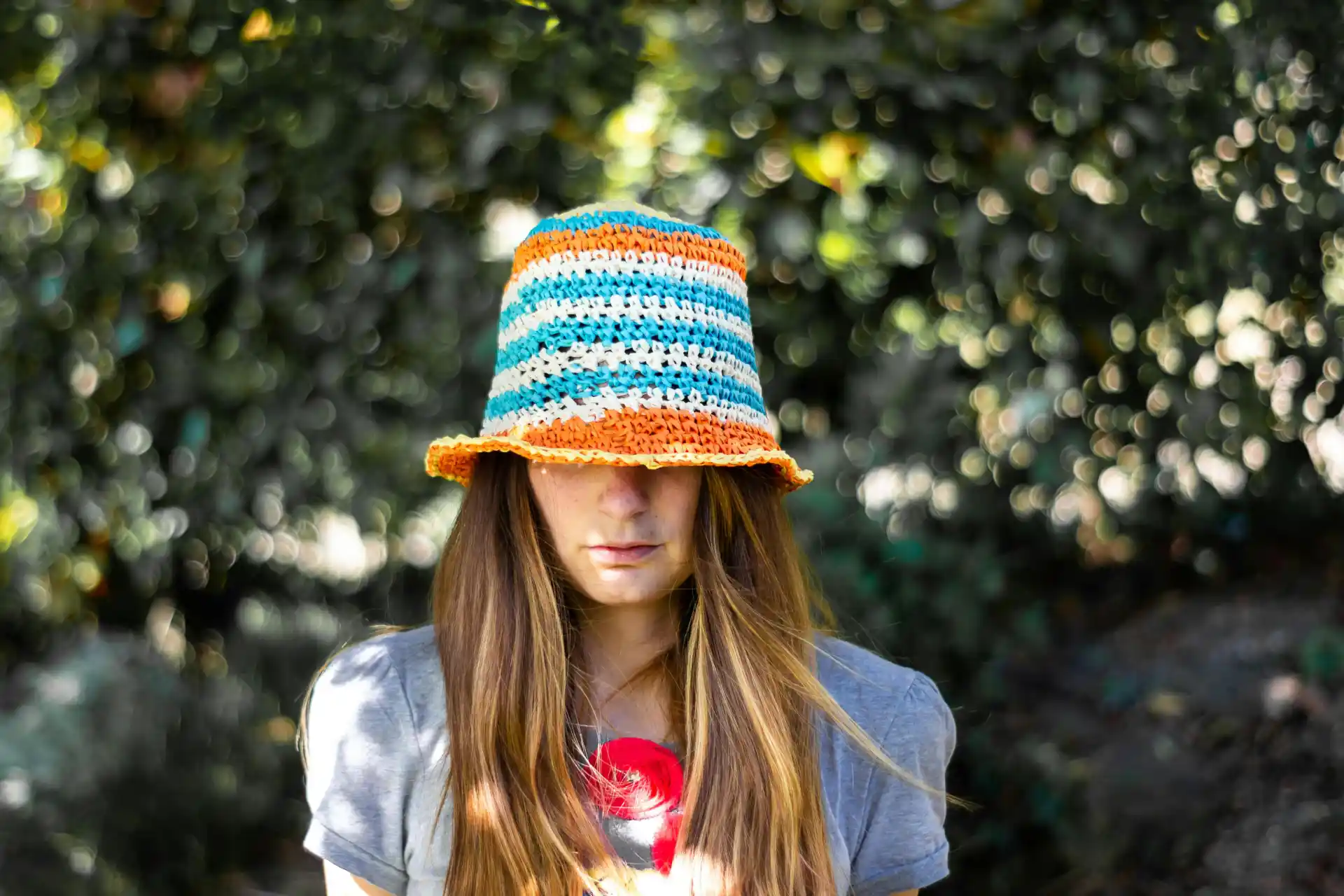
The satisfaction comes from finishing a hat all by hand, but sometimes even with perfect stitching and a lovely yarn, it just won’t sit on your head comfortably. Maybe it is a little off in shaping; maybe the stitches come out a little uneven. That’s where blocking comes in. If you’re wondering how to block a crochet hat, it simply means shaping your finished piece with moisture, like steam, wet, or spray, and placing it over a mold (like a balloon or bowl) to dry so it holds its form beautifully. It basically is the final step that turns an average project into something great. At My Creative Butterfly, we’ve learned that blocking is the secret behind many stunning hat finishes, and it’s easier than you might think.
Why Blocking Matters in Crochet
Before diving into how to block a crochet hat, it is imperative to demystify the reason behind blocking. Blocking is much more than merely shaping and shaping; it is the process of setting your stitches, softening the fabric, and giving a nearly finished, professional look to your hat. Be it wool, cotton, or a blend, blocking lets the fibers relax and be stretched into another shape.
In fact, many students who join our beginner crochet course are surprised to see how much blocking enhances the quality of their early projects. Anything that we create regularly at My Creative Butterfly, we emphasize this step, especially with hats, because they need just as much structure as they need to drape well.
Methods: How to Block a Crochet Hat
There’s no set-in-stone method to use in the blocking of a hat. The method chosen depends on the yarn, the stitch, and in the result desired. Here are the three common ways to understand how to block a crochet hat:
1. Steam Blocking
This is usually the technique used when blocking wool or acrylic hats needing gentle shaping. Using steam generated from a steamer or from ironing, hold the steamer or iron set to steam over the hat; do not allow it to actually touch the hat so as to not hamper the fibers. Shape it over a rounded object like a balloon-worthy bowl, and allow it to cool and dry.
Steam blocking is practically a favorite technique here at My Creative Butterfly, especially for hats with detailed textures like cables or puff stitches.
2. Wet Blocking
Wet blocking works well for natural fibers such as cotton, bamboo, or wool. Immerse your finished hat in lukewarm water for 15-20 minutes. Take it out and gently squeeze the excess water without wringing. Then place the hat over a blocking form, which might be a mannequin head, a balloon, or even a rolled towel.
This method is especially useful if you’re learning crochet for beginners, especially if they are working with soft yarns that require firm shaping.
3. Spray Blocking
Spray blocking is the gentlest method. You lay your hat flat or over a mold and spray water until it is just damp but not soaked. You can then shape it by hand. This method is useful with the delicate stitches and colorwork you want to stretch as little as possible.
We recommend spray blocking quite often in our crochet pattern writing course, particularly with finer yarns or lace-weight hats.
Choosing the Right Blocking Form
If you’re serious about understanding how to block a crochet hat, then selecting a form or mold will go a long way in accomplishing it. Some popular choices are:
- Inflated Balloon: Great for beanies and slouch hats. Just make sure the balloon size roughly matches a human head (about 21–23 inches in circumference).
- Bowl or Mixing Bowl: Ideal for dome-shaped hats or berets. Invert it and cover with a clean towel before placing your damp hat on top.
- Mannequin Head: Provides realistic shaping, especially useful for fitted hats or sculptural designs.
At My Creative Butterfly, we love using mannequin heads for floral-inspired hats. With our deep love for nature, especially flowers, the precise shaping really brings the petals and layers to life.
Blocking by Yarn Type
A major part of mastering how to block a crochet hat lies in knowing your fiber:
Wool and Wool Blends
These fibers respond very well to steam and wet blocking methods. Wool is excellent for holding its shape after blocking, ideal for structured and textured hats.
Acrylic Yarn
Some might say that acrylic doesn’t block well; however, steam blocking works fine with it, just watch you don’t melt your fibers! At My Creative Butterfly, we always do a patch test for acrylic before steaming.
Cotton and Linen
These plant-based fibers love wet blocking. They’re strong when wet and stretch easily, making them perfect for lightweight summer hats.
When to Block a Crochet Hat
You may wonder, Should I block every hat I make? While it’s not always essential, if your hat curls, loses shape, or has uneven stitches, blocking will solve most of these issues. Learning how to block a crochet hat becomes especially useful when you’re making gifts, selling items, or submitting crochet patterns for publication.
In our crochet pattern design course, students learn how a well-blocked sample can drastically improve the final look of their designs, especially in photos and marketplaces.
Pro Tips for Perfect Blocking
- Check the Label – Always check yarn labels for fiber content and washing instructions before blocking.
- Use Pins or Clips – For brimmed hats, use rust-proof pins to secure the shape as it dries.
- Don’t Rush the Drying – Allow the hat to dry fully in a well-ventilated area before removing from the mold.
- Avoid Over-Stretching – Stretch just enough to shape, not distort the hat.
We’ve refined these tips over the years of experience at My Creative Butterfly, and they consistently lead to beautifully finished projects.
A Real-Life Example from My Creative Butterfly
One of our most loved designs at My Creative Butterfly is a micro-miniature flowered baby beanie. With such tiny details, precise blocking is non-negotiable. We used steam blocking over a small balloon to help each petal sit right, and the result was a stunning, photo-ready piece.
As a self-taught artist crocheting for over 20 years, I’ve found that blocking takes your work to the next level. Whether you’re crafting large floral hats or micro miniatures, how to block a crochet hat is an essential skill you’ll want in your crochet toolkit.
Learning to Block: Resources and Support
If you’re still unsure about how to block a crochet hat, don’t worry, it’s a technique that improves with practice. You can explore more through our curated resources:
- For total beginners, our learn to crochet program gives an overview of finishing techniques including basic blocking.
- Those looking to learn crochet stitches will benefit from practicing blocking with swatches before moving to full hats.
- Our learn crochet patterns resource shows how shaping can affect the overall design.
Blocking is a technique that’s often under-discussed in courses, but at My Creative Butterfly, we ensure it’s front and center in every lesson.
Troubleshooting Common Issues
Hat Still Misshaped After Blocking?
Check your blocking mold, maybe the size wasn’t ideal. Try again with a better-sized form and re-wet the hat if necessary.
Yarn Feels Crunchy or Flat?
You might have over-steamed or applied heat too closely. Always test first on a swatch.
We help students recognize and correct these common missteps in our crochet courses online, providing one-on-one guidance.
Final Thoughts: Elevate Your Hat Game with Blocking
Wherever you stand in your crochet odyssey, having a grasp of how to block a crochet hat brings to the fore the best finish. That finishing touch is the polish and structure dusched fair in the long life of the hat itself. Be it your first step into a beginner-level crochet course or polishing techniques through an advanced crochet course, never overlook the importance of finishing with a finish that needs blocking.
At My Creative Butterfly, we believe that each handmade product carries a story. Blocking ensures that the story speaks loud and clear, in a beautiful and professional manner. With the inspiration drawn from all in nature and a great love for the craft, we encourage every maker to perfect their craft-evening closing ones are worth doing.
So the next time you finish a hat and wonder if it could look a little better, you already know the answer yes, it can. Just remember everything you’ve learned about how to block a crochet hat and translate that knowledge in giving the shape the merits it deserves.
FAQS
How do you block a crochet hat?
If ever you are curious about how to block a crochet hat, here is the method: gently shape the finished hat while moist and on a set mold. Blocking methods to choose from are steam, wet, or spray, depending on your yarn. Place the damp hat on top of a rounded form like a balloon, bowl, or mannequin head, the purpose being to shape the hat evenly, and allow it to dry completely with good ventilation. This way, the stitches get relaxed to set into their shape while giving the hat its perfect, professional finish. Therefore, learning how to block a crochet hat is something necessary for the better look and sturdiness of your project.
How do you close off a crochet hat?
Properly closing the crown of a crochet hat entails weaving the yarn in and out of the final round of stitches with a tapestry needle and tightening it to bring the top securely together. Tie a knot to secure the stitches, and weave the tail back inside the hat under a few stitches for a neat finish. This method ensures a smooth, rounded crown. At this point, you might also want to give it a better shape, which requires you to learn how to block a crochet hat. Blocking helps your hat hold its shape while softening the fabric and bringing out stitch definition. Knowing how to block a crochet hat really makes your finished work look professional.
How to block crochet items without blocking board?
For blocking, there are anything blocking aids around the home. Flat pieces get laid over a clean towel or foam mat, covered with rustproof pins to keep them in shape while steaming or spraying to set the stitches. For curved pieces such as hats, think bowls, balloons, or a mannequin head for the mold. Knowing how to block a crochet hat without the fancy tools means you can get your project looking professional right at home. Whether shaping hats or flattening motifs, moisture, shaping, and allowing the piece to dry are key; hence, learning how to block a crochet hat is not hard and flexible.

Leave a Reply