
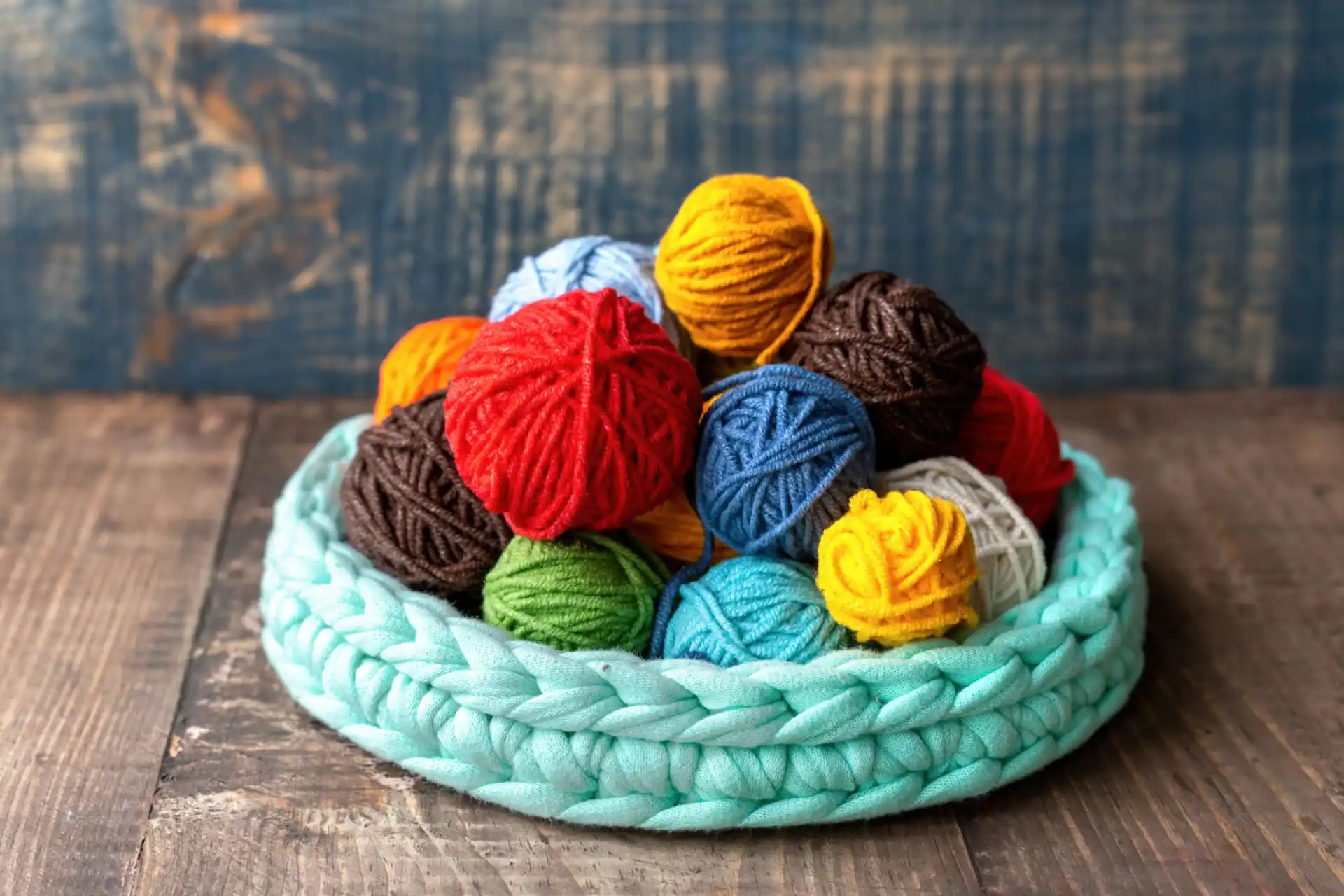
Imagine crochet as the dance of creativity where in the sponge yarn and hooks come to life before one’s eyes. The experience or ordeal of many a beginner is asking: how to go about blocking acrylic yarn crochet projects into a finished, refined look? Natural fibers like wool or cotton would basically hold their shape with just a little water, but it does not work for acrylic. Therefore, one must learn the art of blocking to get a good professional finish on their crochet works. For the beginner learn to crochet, online, may provide a fast track to mastering these most useful skills and not leaving you stranded on the first step. Embarking on this complete guide, you will be acquainted with everything about blocking acrylic yarn crochet-from methods, tutorials, common mistakes, expert tips to answers to frequently asked questions-and by the time the article closes, you will be fully armed to bestow your pieces with a gorgeous block finish.
What Does Blocking Mean in Crochet?
Blocking is the process by which the finished piece is shaped to lay flat and look neat while maintaining the proper size. An added little something for those learning crochet for beginners wonder about blocking acrylic yarns is that blocking aligns the stitches, straightens the curls, and just improves the overall drape.
With wool or cotton yarn, blocking is very easy, as the fibers respond naturally to water. But acrylic, being synthetic, needs a slightly different type of approach. Blocking of acrylic projects really make all the difference, more so if you are learning to crochet for yourself or for gifts. With enough patience, one can always make acrylic projects appear beautiful and refined.
Why Blocking Acrylic Yarn Crochet Is Important
Many crafters often ask why they should bother to block acrylic yarn crochet. The reason is that blocking changes the entire appearance of a finished project. Unblocked crochet pieces may appear crooked and curled and thus unfinished, and blocking invoicing makes the fabric appear professionally done and ready to be worn or displayed. It also blocks motifs or squares to size so that the joining seams do not become uneven. Whether learning for beginners or advanced and through the making of complex garments, blocking makes for easier joining and neater results-at the end, all becomes a showcase of your hard work.
Different Methods of Blocking Acrylic Yarn Crochet
When it comes to how to block acrylic yarn crochet, you can use several methods. Each has its benefits depending on the project:
- Steam Blocking – Uses gentle heat from a steam iron to relax fibers.
- Wet Blocking – Involves soaking or spraying with water, then pinning into shape.
- Spray Blocking – Quick method using a mist of water and air drying.
If you’re new and want to learn crochet stitches, test blocking techniques on small swatches before working on a big project. This way, you can see which method works best without risking your masterpiece.
Step-by-Step Guide: Steam Blocking
Steam blocking is the most common method of how to block acrylic yarn crochet. To try it:
- Place your finished project flat on a towel or blocking mat.
- Pin it carefully into the correct shape and dimensions.
- Hold a steam iron a few inches above the fabric, never press down.
- Release steam to soften the fibers, then allow it to cool completely.
Steam blocking is fast, effective, and gives projects a neat finish.
How to Block Acrylic Yarn Crochet Using Wet Blocking
Acrylic fibers block differently from natural fibers; however, wet blocking would improve final shaping. Spray just a little with water or dunk briefly in lukewarm water; gently squeeze out excess water and lay flat on a board, pinning into position. Let dry completely in open air.
This method may take its sweet time, but it’s a good one to start with for the beginner exploring the blocking of acrylic yarn crochet. There is no heat involved at all, so there is little risk of harming the fibers. Any beginner going in for learning crochet might find this one easiest to begin working with.
Spray Blocking – A Beginner-Friendly Option
Spray blocking is great for small or delicate pieces. Just keep your crochet piece damp by misting it through a fine spray from a bottle, pin it out into the required shape, and then leave it overnight. This is especially effective if you are testing methods for blocking acrylic yarn crochet for small motifs, squares, or appliqués. It is also a safer alternative if you want a quick solution without heat. Another advantage to spray blocking is that if you’re in a beginner crochet courses online your new stitches, it will help keep your pieces flat for neater assembly.
Mistakes to Avoid When Blocking Acrylic Yarn
Blocking may seem simple, but common mistakes can ruin your project. When trying how to block acrylic yarn crochet, avoid:
- Pressing the iron directly onto the yarn (it can melt or “kill” the fibers).
- Over-stretching can distort stitches permanently.
- Using non-rust-proof pins that stain yarn.
- Rushing the drying process before the fibers are set.
Benefits of Blocking Acrylic Yarn Crochet
Once you understand how to block acrylic yarn crochet, you’ll notice several benefits:
- Stitches appear more even and uniform.
- Fabric drapes better for wearable items.
- Finished dimensions match the pattern accurately.
- Projects look polished and high-quality.
Blocking elevates your crochet work, making it stand out whether it’s a simple scarf or a detailed lace shawl. For crocheters who learn crochet patterns with lace or garments, this method enhances drape beautifully.
Tips for Successful Blocking
Here are expert tips to help perfect your technique when mastering how to block acrylic yarn crochet:
- Always test on a swatch first.
- Pin projects gently but firmly to hold shape.
- Let the piece dry or cool fully before unpinning.
- Use a towel or blocking mat for best results.
When combined with patience, these tips ensure your projects shine. And if you’re ready to expand and learn crochet patterns, blocking will help you achieve professional results every time.
When Should You Block Crochet Projects?
The best time to apply how to block acrylic yarn crochet is after completing your project. Blocking before seaming squares or motifs ensures consistent sizing and alignment. For garments, blocking enhances fit and drape.
If you’re a beginner looking to learn crochet stitches or work on an advanced crochet course, blocking makes designs more visible and elegant. Always choose the method suited to your yarn and project type.
Final Thoughts
The blocking technique for acrylic yarn crochet is one of the important skills to learn for crocheters of all levels. Steaming, wet, or spray blocking each gives that extra sparkle to your code. Treating your projects with love makes them look as if they came straight off a fashion runway and are ready to be worn or gifted. At Creative Butterfly, we strongly believe that every artisan should be working on the enhancement of his or her skills. Whatever the case, be it you are working on a crochet pattern design course or a crochet pattern writing course, or are simply at home practicing your stitch work, give blocking a try today, polish your blockers well, and watch your finished crochet pieces turn into art. Begin with smaller items and keep practicing; soon enough, the sky will be your limit!
FAQs
Is blocking necessary for acrylic yarn?
Certainly, blocking works fine even now. Acrylic does not reshape as does wool and cotton when blocking, but if you understand acrylic blocking for a crochet yarn, blocking helps to flatten edges, even out stitches, and achieve an immaculate finish, more so for garments, blankets, and decorative crochet projects.
Can I iron acrylic crochet directly?
No, never put the iron directly on acrylic yarn. The heat may either burn and melt the fibers or permanently crush the stitches. The proper method of blocking acrylic yarn is to gently steam from a distance that softens fibers.
How long does blocking take?
Blocking time depends on the method. Spray and wet blocking may require several hours or overnight for complete drying. Steam blocking is quicker, but projects must cool fully before unpinning to ensure how to block acrylic yarn crochet sets properly.


Leave a Reply