
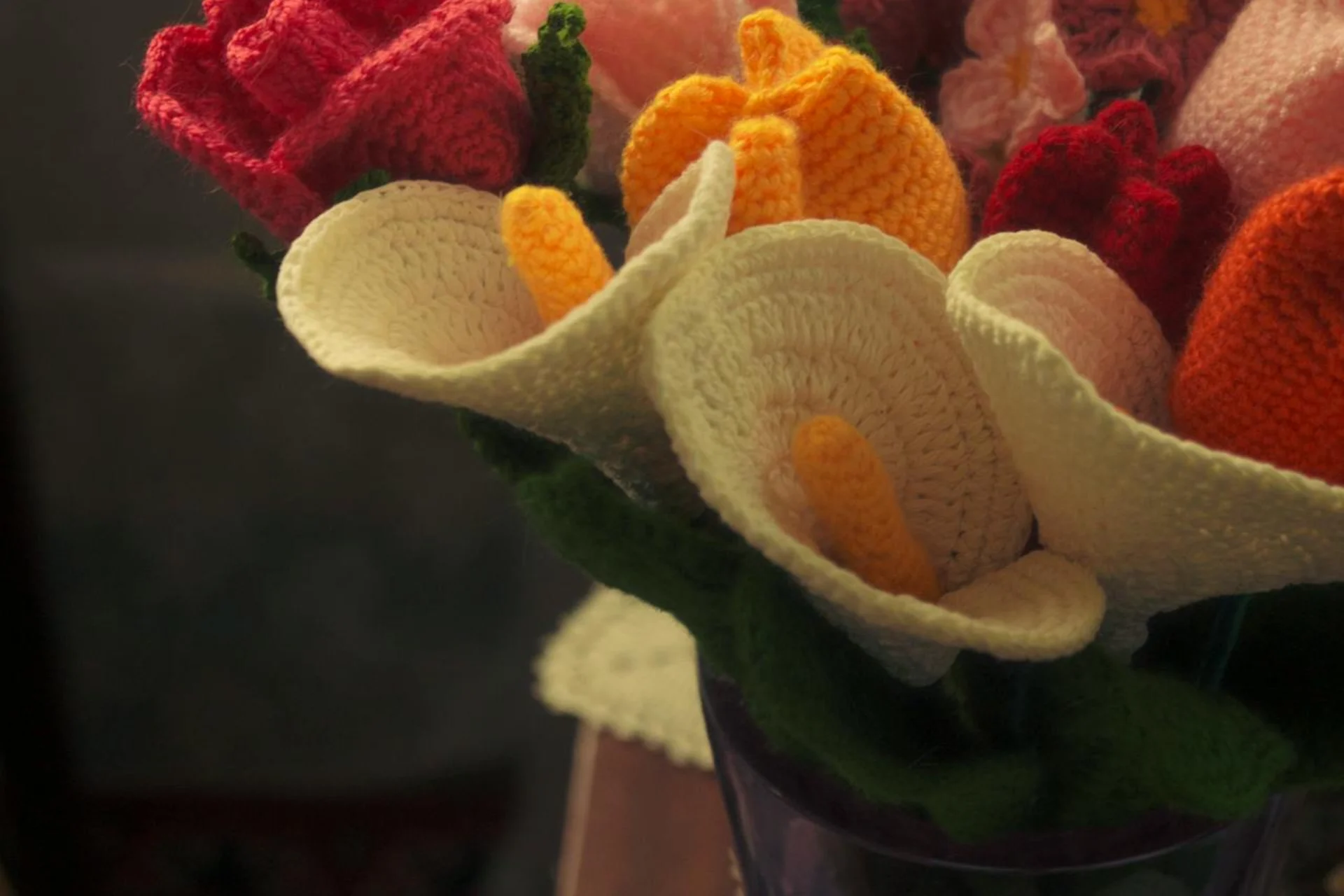
Crochet Hydrangea Flower Pattern with Video Guide
Crocheting flowers is one of the more satisfying ways to nurture the whims of creativity with yarn. Among several floral patterns, hydrangeas garner appreciation for their fluffy clustered appeal and dazzling variations of colors. If ever you have wondered how to crochet hydrangea flower, this step-by-step guide is just for you. Whether you are a total beginner or prepared to consider yourself an expert, hydrangea crochet carries the thrill and rewards of the project.
This blog will also walk you through every step of how to crochet hydrangea flower: from choosing yarns and hooks, making petals, and putting flower heads together. Alongside this, there will be some pro tips, suggested learning routes, and a peek into the inspiring work of My Creative Butterfly, a self-taught artist noted for realistic crochet flowers and micro-miniatures.
Why Crochet a Hydrangea Flower?
Before diving into the details of how to crochet hydrangea flower, let’s understand why this particular bloom is so beloved in the crochet community:
- Realistic appeal: Hydrangeas, with their multiple clustered petals, look incredibly lifelike when crocheted.
- Versatile décor: They make beautiful embellishments for hats, home décor, brooches, and wedding bouquets.
- Creative expression: You can customize hydrangeas in shades of pink, blue, purple, or white to match any theme.
Materials You’ll Need
To learn how to crochet hydrangea flower, gather the following essentials:
- Yarn: Choose cotton or DK-weight yarn in hydrangea-like colors (lavender, pale pink, blue, white, or green).
- Crochet hook: A 2.5mm to 3.5mm hook works best for delicate petal work.
- Tapestry needle: For stitching petals and weaving in yarn tails.
- Floral wire and tape: To shape and support the stems.
- Scissors: For neat trimming.
Optional but useful: stitch markers, hot glue gun (if preferred for assembly), and blocking pins.
Step-by-Step: How to Crochet Hydrangea Flower
Let’s break down the process of how to crochet hydrangea flower into manageable steps.
1. Making Individual Petals
Hydrangeas consist of many small, four-petaled florets.
To make one floret:
- Start with a magic ring.
- Round 1: Chain 1, make 4 single crochets (sc) into the ring. Pull tight and slip stitch to the first sc.
- Round 2 (petals):
- Petal 1: Chain 2, work 1 half double crochet (hdc), 1 double crochet (dc), 1 hdc, chain 2, slip stitch into same stitch.
- Repeat the petal sequence in the next 3 stitches to form a four-petal floret.
- Petal 1: Chain 2, work 1 half double crochet (hdc), 1 double crochet (dc), 1 hdc, chain 2, slip stitch into same stitch.
Table 10–15 florets for a small hydrangea, or 30–40 to fill out the bloom. The repetition has a meditative effect and enhances your stitch control. If you are a real novice, it would be better to first enroll in a beginner crochet course that helps you get confident with basic stitches before proceeding with hydrangeas.
2. Shaping the Petals
To elevate the look of your florets, gently block the petals:
- Dampen each floret lightly.
- Use pins to shape and spread each petal evenly.
- Let dry for several hours.
Forming is crucial in developing realism when one is learning how to crochet hydrangea flower. This level of detailing is what distinguishes handwork from craft items made in bulk.
3. Attaching to Stems
Once your florets are shaped:
- Thread floral wire through the center of each floret and bend the tip into a small loop to hold the petal in place.
- Secure with floral tape, wrapping tightly.
- Gather several wire-stemmed florets into a bouquet.
- Use green yarn or tape to wrap the bouquet stem.
This renders structure to your crocheted hydrangea and gives it a shape that imparts life to it. If you are set on making flowers from scratch, you could take an interest in an advanced crochet pattern design course to develop your skills further.
Tips to Improve Realism
As you explore how to crochet hydrangea flower, here are some helpful techniques for a more authentic result:
- Mix colors: Real hydrangeas often have gradient shades. Use multiple yarn tones in a single project.
- Use fine yarn: Finer yarn creates delicate petals, more true to life.
- Add greenery: Crochet or embroider leaves and attach them to your flower stems for a fuller look.
Learning from a Floral Crochet Expert
My Creative Butterfly remains a great source of inspiration for anyone who needs a little something. She has taught herself to become an artist, with a 20-year track record. She excels in realistic crocheted flowers and in the very complicated micro-miniatures. Each object entails an intense study of nature, especially her flower pieces, which have been executed with incredible respect to shape, texture, and accuracy.
Her journey shows what is possible once one truly masters the technique of how to crochet hydrangea flower and proceeds to build on this very skill through continuous practice and passion.
Beyond the Basics: Elevating Your Skills
Learning how to crochet hydrangea flower opens the door to more advanced projects. If you’re eager to push boundaries, here are some next steps:
- Take an advanced crochet course to learn about complex stitch combinations, lacework, and sculptural techniques.
- Join crochet courses online for structured lessons in floral crochet, accessible from home.
- Explore learning crochet for beginners if you’re still building foundational skills.
- Dive into a crochet pattern writing course if you want to document and sell your unique designs.
- Master how to learn crochet stitches like puff stitch, picot, and shell stitch for more texture.
- Understand how to learn crochet patterns to interpret and replicate advanced floral designs.
Creative Ways to Use Crocheted Hydrangeas
Once you’ve learned how to crochet hydrangea flower, don’t stop at a single bouquet. Here are some creative uses:
- Floral hairpins or headbands
- Wedding table centerpieces
- Bridal bouquets
- Framed wall art
- Gift wrapping embellishments
- Seasonal wreaths
Their elegance and softness make hydrangeas a perfect addition to almost any handmade décor.
Common Mistakes to Avoid
Even experienced crocheters encounter a few snags when figuring out how to crochet hydrangea flower. Here’s what to watch out for:
- Overcrowding the petals: Hydrangeas are dense, but balance is key. Spread the florets evenly.
- Incorrect yarn tension: Too tight, and petals curl; too loose, and the shape won’t hold.
- Skipping blocking: Unblocked petals often look flat and lack definition.
- Ignoring wirework: Stems give your bouquet life. Don’t skip this step.
With patience, each project becomes smoother and more polished.
Why Choose Crochet Flowers Over Artificial or Fresh?
If you’re investing time in learning how to crochet hydrangea flower, know that you’re creating something special. Here’s why crochet flowers stand out:
- Eco-friendly: No plastic waste, no short life span.
- Everlasting beauty: They don’t wilt or dry out.
- Customizable: Choose any shade or shape that fits your mood.
- Personal touch: Handmade flowers add heartfelt value to gifts and decor.
Final Thoughts
Learning how to crochet hydrangea flower is a skill-building journey as well as a creative outlet. Two things are needed: a crochet hook and some yarn, and many hours of hanging out at home will give the hydrangea gardener a chance to create delicate, realistic blossoms that are forever. These beautiful clusters can speak volumes about your crochet proficiency when made for yourself, as gifts, or on special occasions.
Set your path to floral artistry by the acculturation brought by the likes of My Creative Butterfly. She has taught us that realistic, nature-inspired creations are accessible to anyone willing to learn and experiment. From micro-minis to full-on life-honesty, her world’s ideals about nature can be expressed with nothing but yarn and imagination.
Now, what are you waiting for? Grab your supplies, choose your colors, and plunge into the delightful world of how to crochet hydrangea flower!
FAQs
How difficult is it to crochet flowers?
Flower types may be easy or difficult to crochet, depending on the pattern and stitches. Basic flower patterns suit beginners; however, the more realistic ones, like hydrangeas, need precision and layering techniques. Learning how to crochet hydrangea flower is moderately difficult; each flower head involves crocheting loads of little blossoms, which are then very carefully assembled. Uniform tension and careful attention are required, but with practice even beginners can achieve it. Using fine yarn and small hooks makes the flower highly realistic yet difficult. Overall, how to crochet hydrangea flower is manageable with patience and the right guidance.
How long do crochet flowers take to make?
Crocheting flowers may take from minutes to hours, all depending on the design’s intricacy, how thick the yarn is, and how much under your belt you have in crocheting. Simple flowers might take 15-30 minutes maximum, but the more intricate ones like hydrangeas could take hours. Expect to spend 3-6 hours taking one full bloom cluster through the motion of crocheting hydrangea flower. This time covers crocheting many small four-petaled flowers, shaping them, and arranging them into a realistic cluster. As one gets more experienced with how to crochet hydrangea flower, the process gets quicker and more efficient, letting one do each piece more easily and in more detail.
What is the hardest crochet stitch to learn?
In one of the most difficult stitches to work with, fiber artists find the bullion stitch, also called the roll stitch. Yarn is wrapped over the hook several times, then through all loops in a smooth motion down the line, which may pose a challenge for some and may not be easy even for the experienced. This stitch is utilized for flower work that is more complicated because of its texture. While you may not work with the bullion stitch directly while learning how to crochet hydrangea flower, knowing complicated stitches such as these assists in enhancing your floral designs. Grasping such stitches successfully would truly enhance the overall design once working further into advanced workmanship on how to crochet hydrangea flower.

Leave a Reply